I work where people meet the systems designed for them — studying how drivers, passengers and consumers come to trust automated mobility, how manufacturing becomes measurably sustainable, and how design education in Africa can carry indigenous knowledge forward.
I am an industrial designer turned human-factors researcher. My doctorate at the University of Leeds asked a deceptively simple question: what would make people actually get into a shared automated vehicle? The answer turned out to be less about the technology and more about service quality, trust and the company you keep.
That thread runs through everything else — sustainability indicators for smart manufacturing, ergonomics for construction workers, Ubuntu philosophy in product design, and Botswana's indigenous basketry technology as a route into STEM education.
Technology only counts as designed once somebody is willing to use it.
At the University of Botswana I have taught since 2011 and now serve as Acting Department Chair of Industrial Design & Technology. Before academia I built digital work at Synergy Advertising — and I have never quite stopped making things: faculty websites, degree-show films, brand identities and the internal tools linked below.
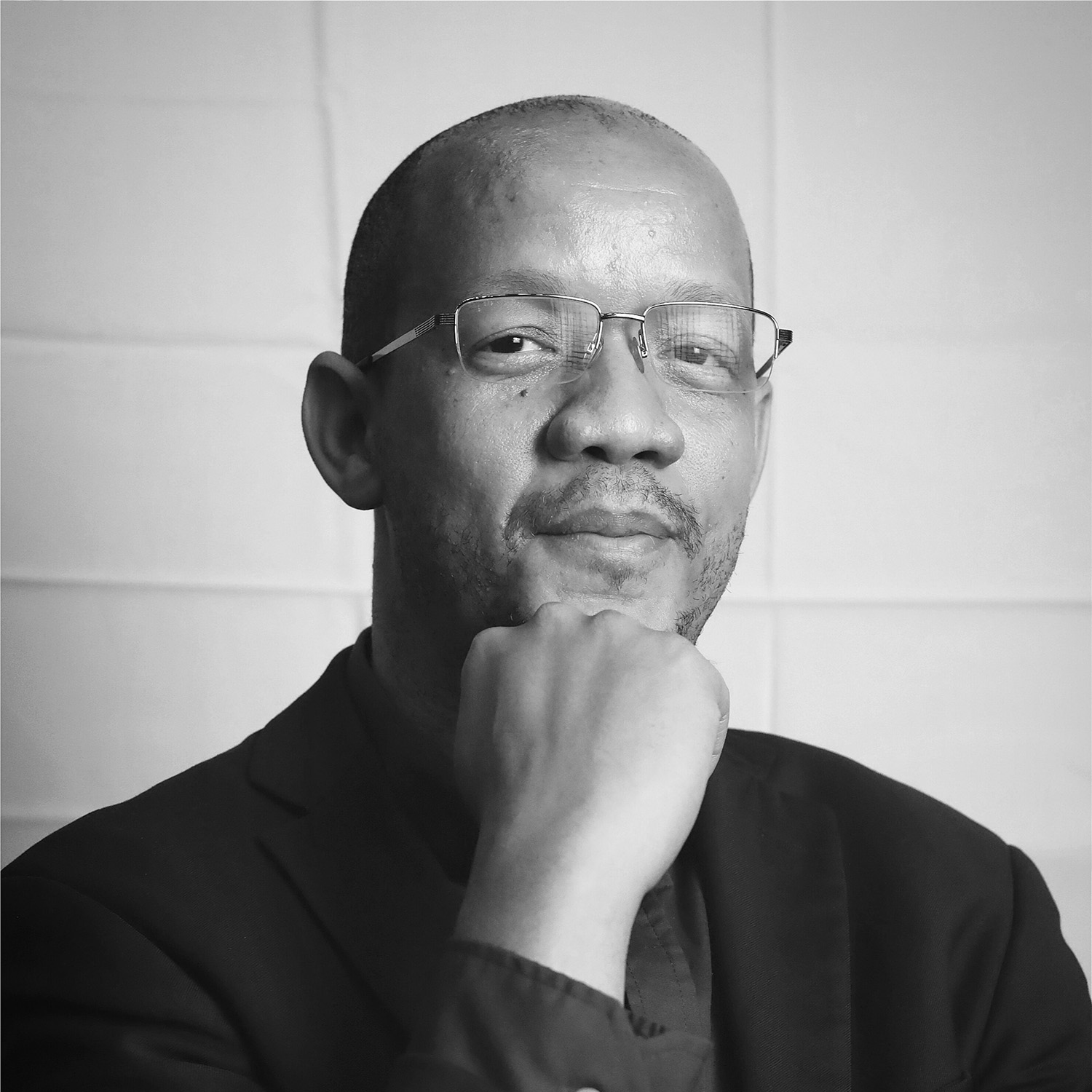
From a design & technology degree in Gaborone to a doctorate in Leeds — and back to lead the department where it started.
Leading the department across teaching, research and industry engagement within the Faculty of Engineering & Built Environment.
Also served on the Faculty Executive Committee from August 2024.
Fifteen years across styling, design fundamentals, CAD, control systems and microcomputer control for designers.
Four years coordinating the programme's delivery and review.
Industry practice in interactive and digital design before entering academia.
User acceptance of shared automated vehicles — spanning focus-group and extended UTAUT2 modelling.
Design for the Base of the Pyramid — health, water and sanitation contexts.
The foundation — and the department now led.
Book chapters with Routledge and Springer, peer-reviewed journal articles, and conference work presented from Gaborone to Washington DC.
Two active European Union Virtual Exchange projects in Higher Education and Youth, running to 2028.
Erasmus+ · funded by EU-Virtual Exchanges in Higher Education and Youth
2025/26 teaching load, with student evaluation (SECAT) scores out of 5. Fourteen distinct courses delivered since 2011, from graphical communication to microcomputer control.
Committee leadership, national judging, and a long practice of building the digital and visual infrastructure the faculty runs on.
Open to research collaboration, external examination, supervision and design consultancy.